The Office of the Auditor-General has urged stronger accountability, risk management and prudent use of public resources within the electoral system as the Independent Electoral and Boundaries Commission (IEBC) rolls out its long-term reform agenda.
Speaking during the launch of the IEBC Strategic Plan 2024–2029 and the Election Operation Plan (EOP) 2025–2027, Auditor-General Nancy Gathungu said oversight institutions remain critical in safeguarding institutional integrity and rebuilding public trust in public sector governance, including electoral management.
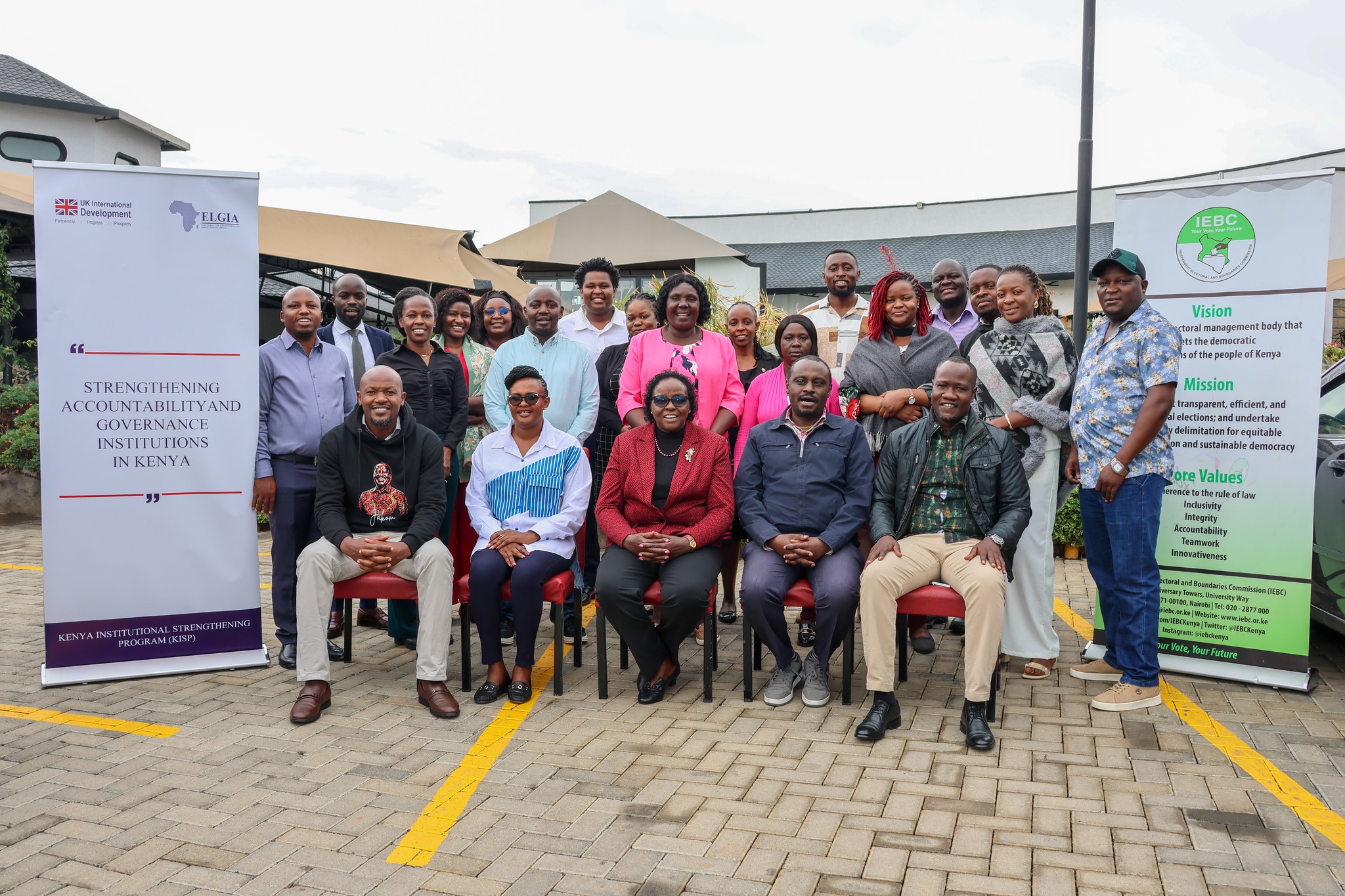
The Independent Electoral and Boundaries Commission unveiled the two strategic documents as part of its renewed push to strengthen election preparedness, improve efficiency in operations, deepen stakeholder engagement and enhance transparency in the management of electoral processes.
Gathungu said that while strategic planning is an important step in institutional reform, trust in elections must be earned continuously through transparency, effective communication and consistent adherence to accountability standards.
“Trust is not built on election day only, but every day through transparent electoral processes, effective stakeholder engagement and timely communication,” she said, adding that inclusivity and citizen participation remain central to credible elections.
Her remarks come against the backdrop of previous audit findings by her office, which have repeatedly highlighted governance and financial management concerns within the electoral body. In earlier reports, the Office of the Auditor-General has flagged issues including delays in procurement processes, weaknesses in project implementation, unexplained variances in expenditure, and questions around value for money in some electoral ICT systems and voter registration-related investments.
The audit reports have also pointed to instances of pending bills, inefficiencies in asset management, and concerns over planning and budgeting gaps that, according to the reports, have in some cases affected timely delivery of electoral preparations. While the reports have not questioned the constitutional mandate of the IEBC, they have consistently underscored the need for stronger internal controls and improved adherence to procurement and financial regulations.
The audit observations have in the past placed the commission under scrutiny, particularly in the run-up to election cycles, when concerns over preparedness, technology systems and logistical readiness tend to draw heightened public attention.
In response, the IEBC has often maintained that it continues to implement reforms aimed at strengthening institutional capacity, modernising election management systems and improving transparency in operations, including closer collaboration with oversight bodies such as the Auditor-General’s office.
The launch of the new strategic plan and election operation framework is therefore seen as a key step in addressing long-standing operational and governance challenges, while positioning the commission for more efficient delivery in future electoral cycles.
Stakeholders have meanwhile called for sustained reforms, warning that without consistent implementation and strict adherence to accountability standards, structural weaknesses identified in previous audit cycles could continue to undermine public confidence in the electoral process.