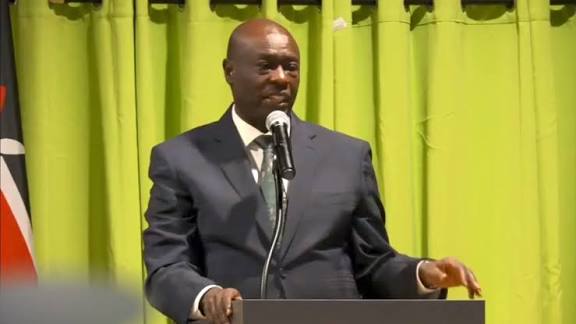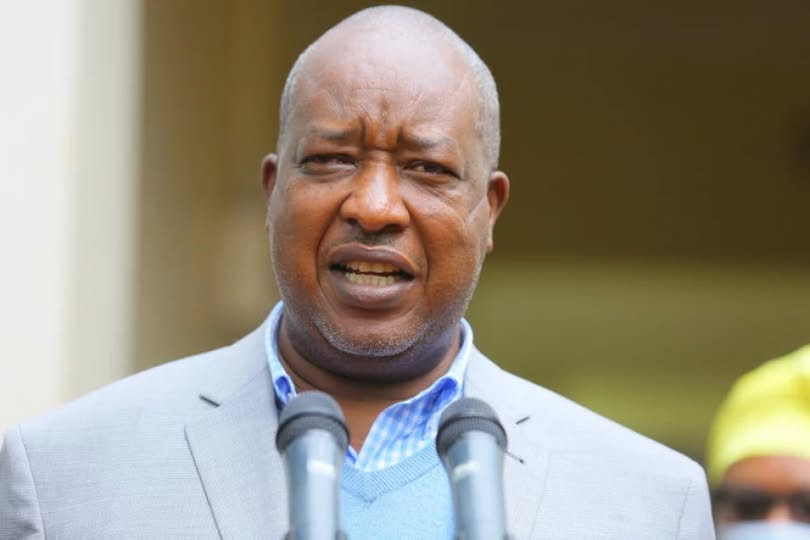
The Nyamira County Assembly recently passed a motion to impeach Governor Amos Nyaribo on accusations including abuse of office, irregular appointments, unconstitutional expenditure approvals, and misuse of county resources. The motion was reported to have gathered 23 votes in favour, prompting its submission to the Senate for final determination.
Attempts to form a special investigative committee in the Senate collapsed, leading to the impeachment hearing being conducted in a full plenary. Governor Nyaribo pleaded not guilty to all charges as the hearing commenced.
Elias Mutuma’s Key Objections to the Impeachment Motion
Advocate Mutuma outlined several critical flaws that he believes invalidate the impeachment.
1. Numerical Inconsistencies in the Vote Count
Mutuma questioned the legitimacy of the 23 votes recorded in favour of the motion. He argued that the number of MCAs physically present in the chamber at the time was fewer than the number of votes recorded. This discrepancy, according to him, renders the result “mathematically impossible” and points to a likely manipulation of the voting records.
2. Unlawful Use of Proxy Votes
The defence argued that some MCAs allegedly voted on behalf of colleagues who were absent from the chamber. Mutuma described this as a violation of County Assembly Standing Orders and the Constitution, which require that only present members participate in voting. He labelled the use of proxy votes as “fraudulent misrepresentation, forgery, and impersonation.”
3. Failure to Meet the Constitutional Threshold
For a governor’s impeachment to be valid, it must meet a two-thirds majority threshold of all members of the County Assembly. Mutuma insisted that even if the 23 votes were accepted as accurate, the number still falls short of the required threshold. He warned that endorsing this impeachment would erode the constitutional safeguards that prevent politically motivated removals of governors.
This case is more than a political showdown; it carries wider constitutional implications:
-
Threat to due process: Allowing a flawed impeachment to stand weakens Kenya’s accountability systems.
-
Risk of political weaponization: It opens the door for county assemblies to misuse impeachment for political vendettas.
-
Erosion of democratic safeguards: Ignoring constitutional thresholds undermines the legal protections designed to ensure fairness in governance.
-
Public distrust: A compromised process can damage citizens’ faith in devolved government structures.
What the Senate Must Prioritize
To uphold the rule of law, the Senate should:
-
Verify the actual number of MCAs present during voting.
-
Investigate claims of proxy voting and confirm whether any such votes were legally authorised.
-
Ensure that the two-thirds constitutional threshold is strictly met.
-
Avoid endorsing any impeachment built on procedural violations
Advocate Elias Mutuma’s defence sharply challenges both the legitimacy and legality of Governor Nyaribo’s impeachment. If the Senate endorses a process marked by numerical inconsistencies, unlawful voting practices, and failure to meet constitutional thresholds, it could set a troubling precedent across Kenya’s devolved units. The outcome of this hearing will ultimately test the Senate’s commitment to constitutionalism, fairness, and the rule of law.