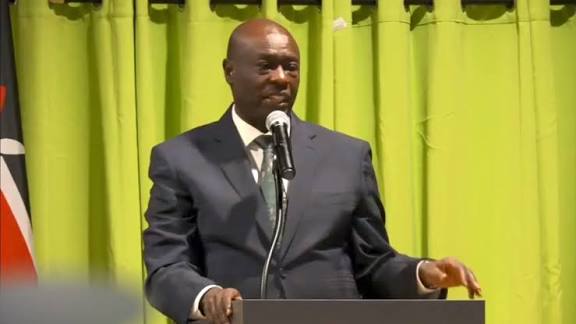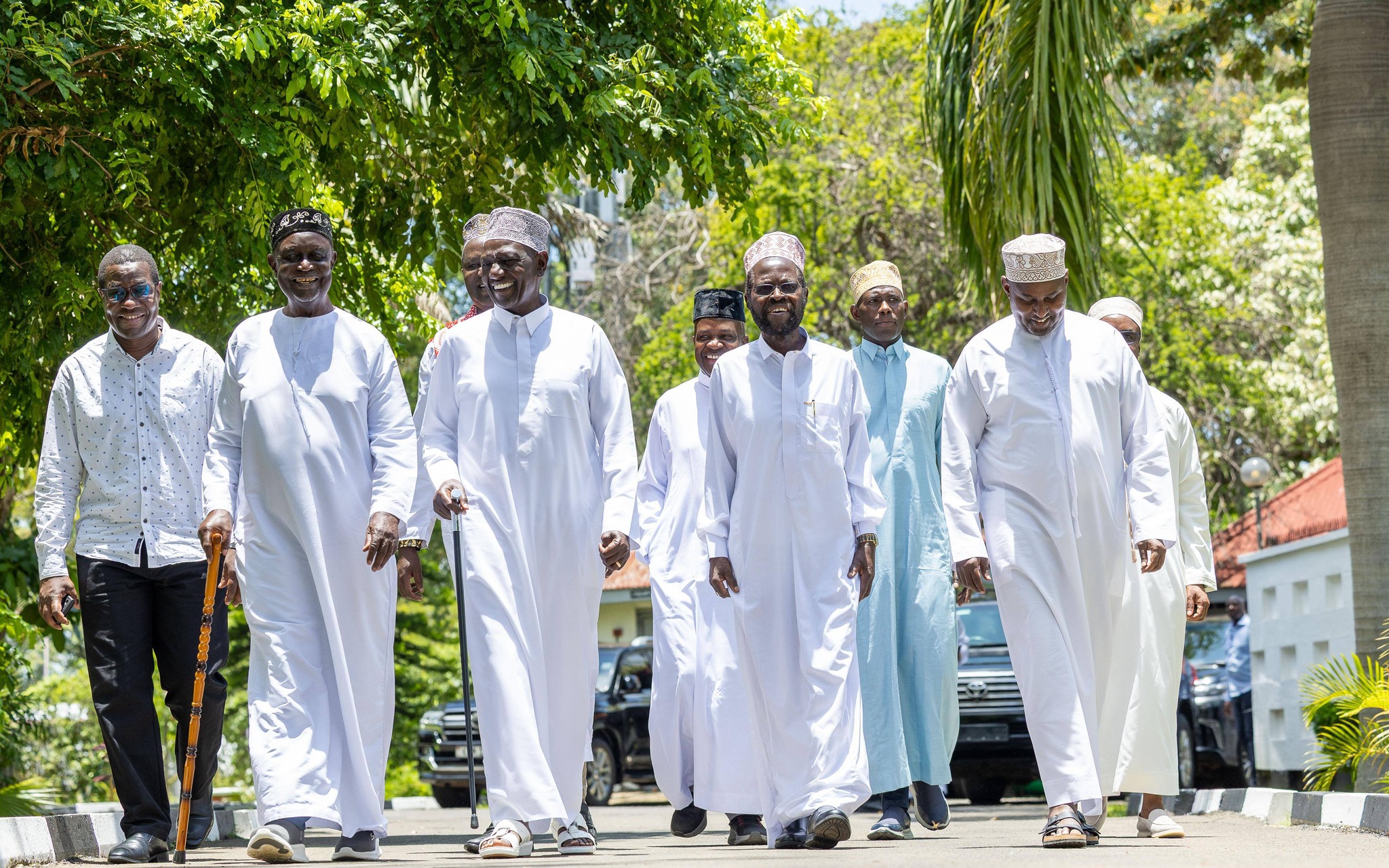
President William Ruto walked into State House on July 13 carrying a development message for northern Kenya. On the surface, the meeting was about roads, water, security and economic transformation of a region that has for decades complained of being left behind.
But behind the carefully crafted public message was a more urgent political assignment: grow the vote.
Leaders from northern Kenya who attended the closed-door meeting were handed a three-month deadline to increase national identity card acquisition and voter registration ahead of the 2027 General Election — a task that placed the responsibility of expanding the region’s electoral influence squarely on their shoulders.
The directive revealed the political calculations shaping engagements between the government and key voting blocs as the country slowly moves towards the next election cycle.
“We must make sure every eligible Kenyan has an identification card and is able to exercise their democratic right,” President Ruto has repeatedly said in past voter mobilisation forums, emphasising that communities cannot influence national decisions if they remain outside the electoral process.
During the State House meeting, the President reportedly told northern leaders that development must go hand-in-hand with political participation, challenging them to ensure that young people and eligible voters who lack IDs are assisted to acquire the crucial document.
“Your voice is only counted when you participate,” the President has previously told communities during his nationwide tours, a message that has become central to government calls for increased voter registration.
The meeting brought together governors, Members of Parliament, senators and political leaders from the expansive northern region, which has historically struggled with low voter registration numbers despite its strategic importance in national politics.
For years, northern Kenya leaders have complained that administrative hurdles, long distances to registration centres, security vetting and bureaucratic delays have prevented many residents from obtaining identity cards.
Former President Uhuru Kenyatta also raised concerns about the issue during his tenure, warning that communities without identification documents risked being excluded from economic opportunities and political participation.
“We cannot have citizens who are not recognised because they do not have identification documents,” Mr Kenyatta said during a past national ID issuance campaign.
The issue has remained politically sensitive because an identity card is the gateway to voter registration, employment opportunities, access to government services and participation in the formal economy.
With the 2027 elections approaching, the numbers have taken on greater significance. Political parties and leaders are increasingly focusing on areas where additional voters could change electoral outcomes.
Northern Kenya, despite covering a large geographical area, has traditionally recorded fewer registered voters compared to highly populated regions such as Central Kenya, the Rift Valley and Western Kenya.
Political analysts say increasing voter registration in the region could strengthen its bargaining power in national politics and influence negotiations over government appointments, resources and policy priorities.
The President’s latest directive places northern leaders under pressure to deliver measurable results within a short period.
Beyond voter mobilisation, the leaders were expected to discuss government investment in the region, including infrastructure development, water projects, security interventions and economic programmes.
The government has repeatedly promised to address historical inequalities in northern Kenya, where communities have faced challenges ranging from drought and insecurity to limited access to basic services.
However, the private discussions at State House showed that political participation remains at the heart of the government’s engagement strategy.
As the three-month countdown begins, northern leaders now face the task of converting political influence into actual voter numbers — a test that could determine the region’s role in the next national contest.