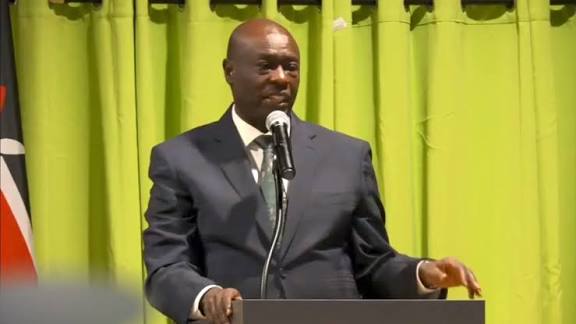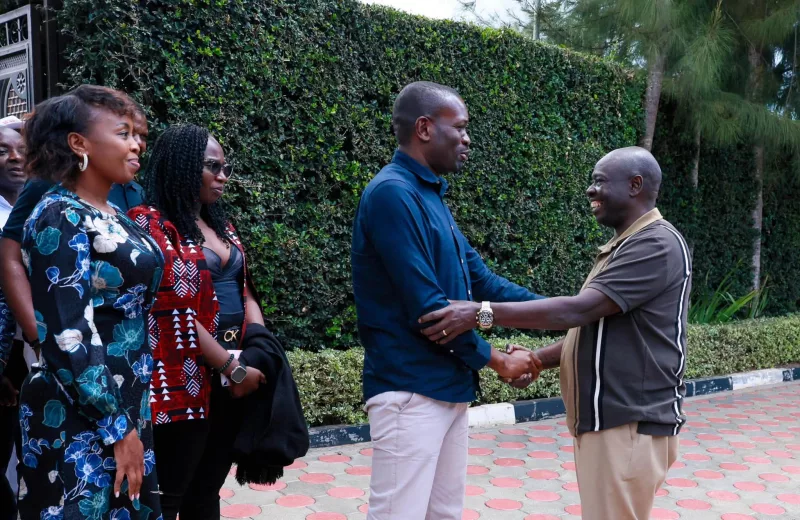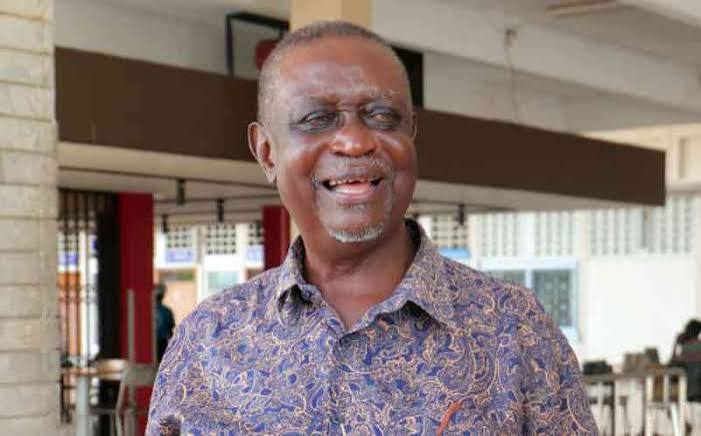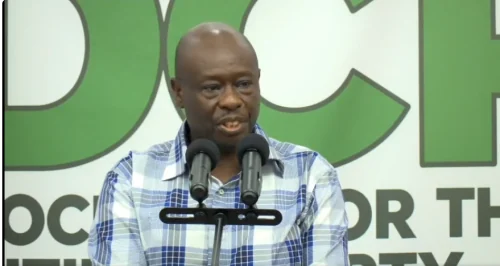
Laikipia Woman Representative aspirant Deborah Wanjugu Nderitu has sent a message to politicians seeking elective positions in the Mount Kenya region, urging them to take Rigathi Gachagua’s political influence seriously as the 2027 elections approach.
Speaking during an interview on Kameme TV’s Arahuka Rikiratha programme on Tuesday, October 27, 2026, Wanjugu argued that Gachagua had played an important role in bringing leaders from the region together at a time when political divisions threatened to weaken their collective position.
She maintained that aspirants should not dismiss the former Deputy President’s contribution to regional mobilisation while preparing to seek votes.
Wanjugu also criticised politicians she believes want to benefit from political networks established by others without putting in the effort required to build them.
Her remarks underscored the importance she attaches to Gachagua’s role in shaping political conversations in Mount Kenya ahead of the next election.
‘Ignore Gachagua at Your Own Peril’
During the interview, Wanjugu suggested that the political unity being pursued in the region had taken time and effort to develop.
She argued that some politicians risk overlooking the work involved in bringing leaders together, only to seek a share of the political benefits once those efforts begin to take shape.
Her warning was directed at aspirants who may be tempted to underestimate Gachagua’s standing as they position themselves for elective seats.
Wanjugu did not name the politicians she accused of attempting to benefit from existing political networks without contributing to their development. She also did not identify specific aspirants she believes have misjudged Gachagua’s influence.
Nevertheless, her comments highlighted the competition for political support and influence that is likely to shape Mount Kenya politics as the 2027 campaign period approaches.
DCP Seeks to Expand Its Mount Kenya Footprint
Wanjugu’s remarks come as Gachagua’s Democracy for the Citizens Party seeks to consolidate its presence in Mount Kenya and attract aspirants ahead of the next General Election.
The Laikipia politician is seeking the Woman Representative position under the DCP banner. Gachagua publicly welcomed her to the party on April 9, 2026, describing her as an aspirant and philanthropist whose work focuses on sustainable development and the empowerment of marginalised communities.
Her alignment with DCP places her within a political movement seeking to strengthen its regional networks and establish a wider electoral presence.
For aspirants affiliated with the party, grassroots mobilisation, party organisation and relationships with influential leaders could become important factors in their campaigns.
However, securing voter support will also depend on individual candidates’ track records, policy proposals and ability to address the concerns of their constituents.
Laikipia Woman Representative Race Takes Shape
The race for the Laikipia Woman Representative seat is expected to attract attention as politicians begin positioning themselves ahead of the 2027 elections.
Incumbent Jane Kagiri, who won the seat on a United Democratic Alliance (UDA) ticket in 2022, is among the figures associated with the contest.
Several politicians linked to DCP are also positioning themselves, raising the prospect of competition for party nominations as well as support from voters across the county.
For Wanjugu, her recent remarks have focused on the role of Gachagua and the importance of recognising the political groundwork undertaken by leaders seeking to consolidate support in the region.
She did not outline specific policy proposals during the remarks provided, instead concentrating on regional unity and Gachagua’s place in the emerging political landscape.
Mount Kenya Politics Ahead of the 2027 Elections
The Mount Kenya region remains an important arena in Kenya’s political competition, with parties and aspirants working to strengthen their support bases before the next General Election.
Wanjugu’s comments reflect one perspective within that contest: that established political networks and regional mobilisation efforts should not be overlooked when candidates assess their prospects.
As parties prepare for nominations and campaigns, questions surrounding leadership, alliances and the distribution of political influence are likely to feature prominently in discussions among aspirants.
At the same time, voters will have their own priorities, including economic opportunities, public services, development and accountability from elected representatives.
Whether the political unity Wanjugu describes translates into electoral support will ultimately depend on how candidates and parties engage voters in the months ahead.