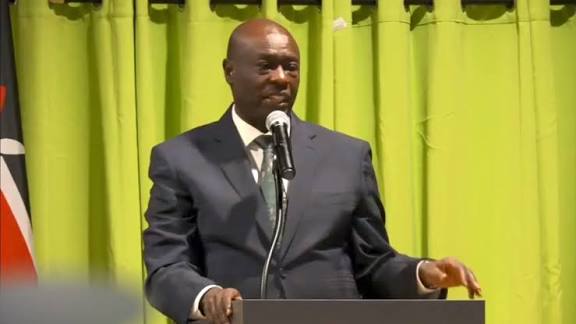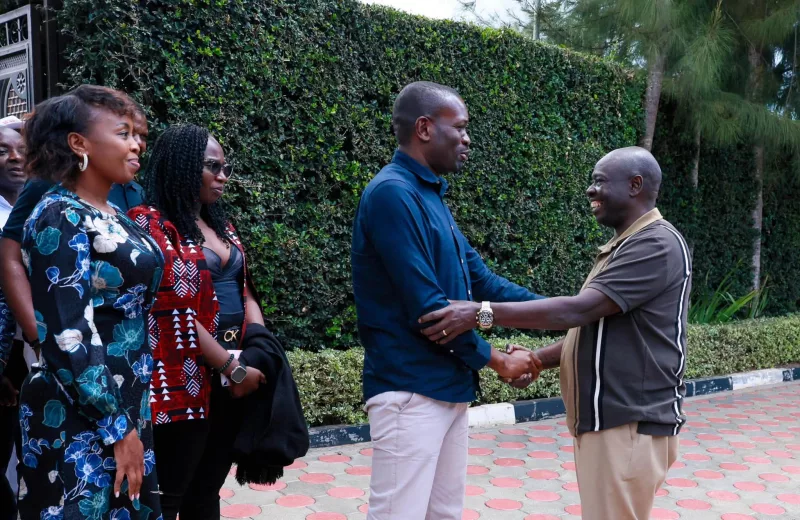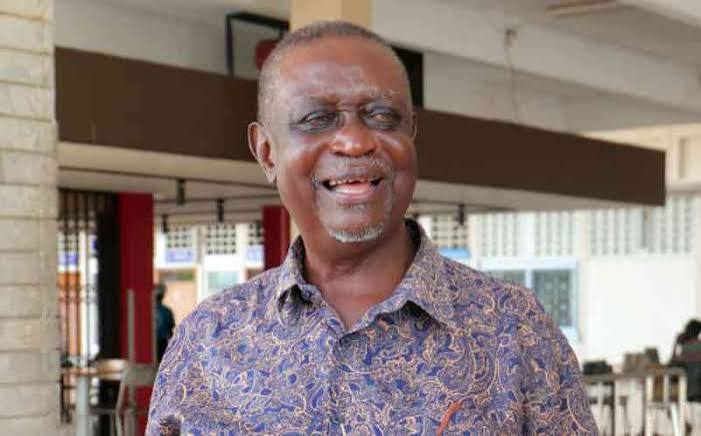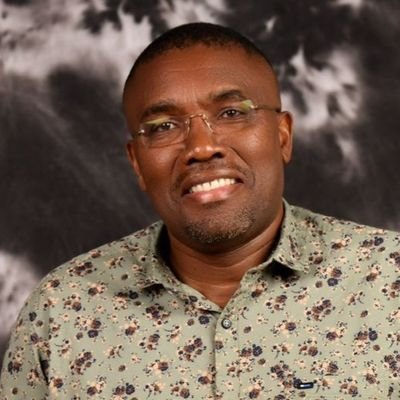
Former Mukurweini Member of Parliament Kabando wa Kabando has launched a scathing attack on AIPCA Bishop Karatu following the cleric’s public declaration that the Mt. Kenya region would overwhelmingly support President William Ruto in the 2027 election.
In a strongly worded statement, Kabando accused the bishop of engaging in what he described as “partisan pulpit politics,” arguing that the remarks neither reflected the theological doctrine of the African Independent Pentecostal Church of Africa (AIPCA) nor the collective political will of the Mt. Kenya people.
Kabando invoked the rich historical legacy of AIPCA, noting that the church, like its counterparts in Malawi, was founded in the 1920s and blended Christianity with African culture. He emphasized that AIPCA played a critical role in Kenya’s struggle for political independence, maintaining close ties with the Mau Mau movement and institutions such as Gìthùngùri Teachers College, which helped educate freedom fighters rejected by colonial systems.
According to Kabando, the bishop’s remarks reduced a sacred church service into what he termed a “chaotic Sunday political rally,” aimed at reviving the religious fervor witnessed during the 2022 election period. He accused certain clerics of attempting to mesmerize congregations into what he called “another Rutoist deceit,” warning that such actions undermine both faith and democratic choice.
The former MP further condemned what he described as the emergence of “mpesa-pastors,” alleging that some religious leaders are disguising personal and material interests behind the pulpit while promoting partisan agendas.
Kabando also placed responsibility on church members, urging congregations to reject and refuse to cheer political messaging delivered during worship. He stressed that churches should remain spaces of moral guidance, reflection, and unity rather than platforms for political mobilization.
Ending his remarks with a solemn reminder of history and sacrifice, Kabando cautioned against forgetting the church’s foundational values, declaring, “Lest we forget,” as he called for the preservation of the sanctity of the pulpit and respect for the diverse political views of Kenyans.