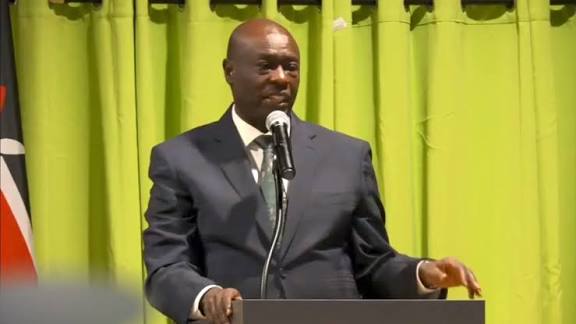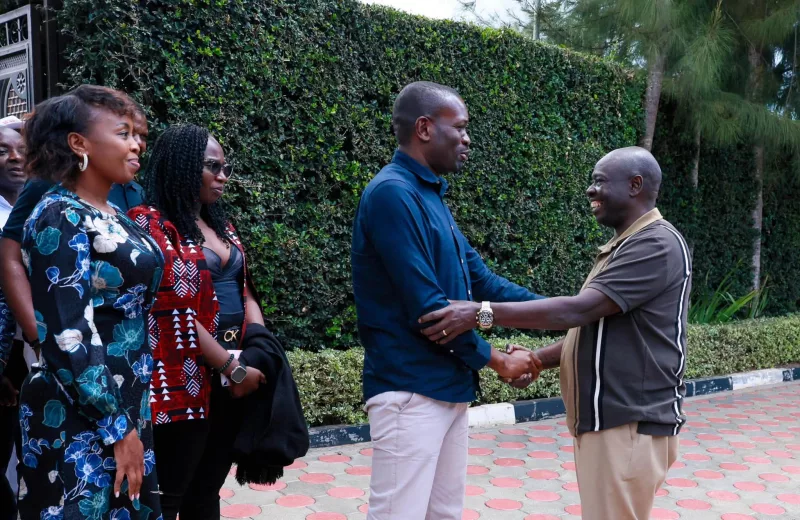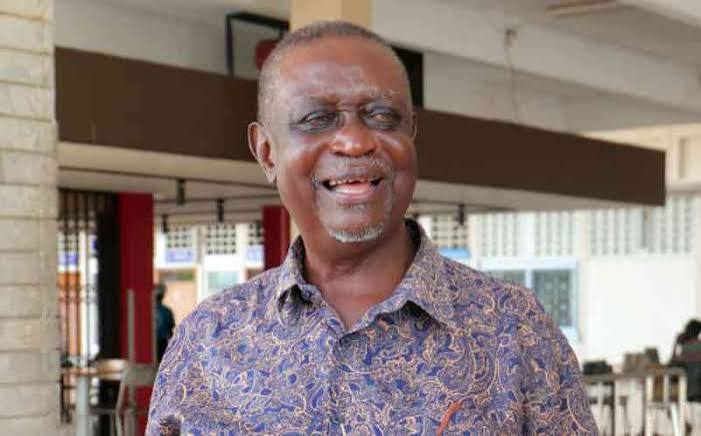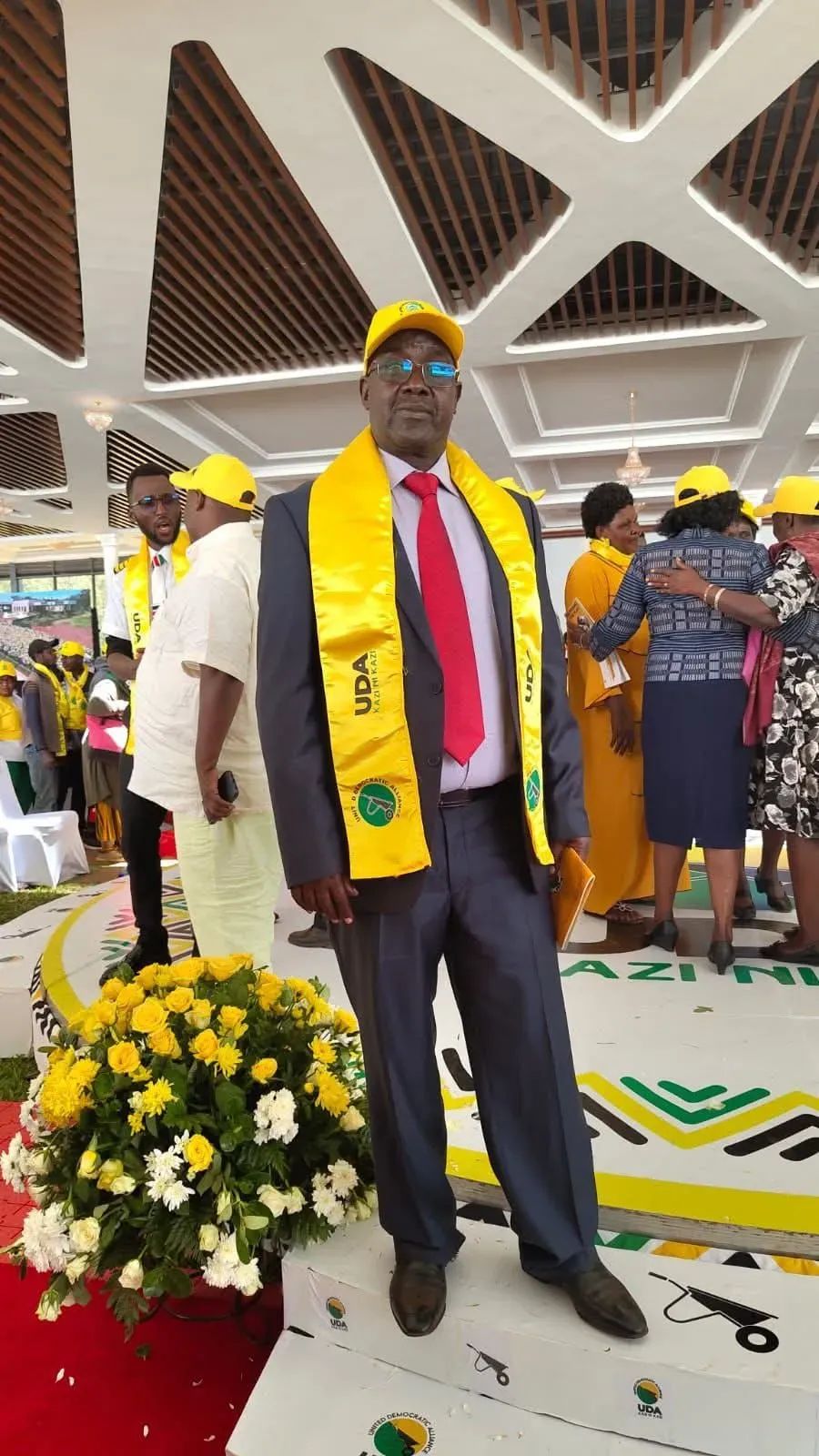
Concerns are mounting after John Chebochok, who was named in a BBC investigative documentary that examined allegations of sexual exploitation and abuse, announced his bid to run for Governor of Kericho County.
The development has triggered widespread public outrage, particularly on social media, with many Kenyans questioning the suitability of individuals facing such serious allegations to seek high public office.
The BBC documentary featured testimonies from alleged victims and identified Chebochok among individuals accused of sexual misconduct. While the documentary raised grave and disturbing claims, it is important to note that being named in a media investigation does not in itself constitute a criminal conviction, and there has been no publicly confirmed court judgment against him related to the allegations.
Nevertheless, human rights groups, women’s rights advocates, and sections of the public argue that leadership demands a higher moral threshold, especially where allegations of sexual abuse are involved.
Critics say Chebochok’s entry into elective politics risks undermining efforts to combat sexual violence and could discourage survivors from coming forward. They have also called on political parties and electoral bodies to conduct stricter ethical vetting of aspirants beyond legal technicalities.
“This is about values, not just legality,” one activist commented online. “Leadership should protect the vulnerable, not reopen wounds.”
As of now, there has been no official response addressing the controversy from Chebochok or the political party under which he is reportedly seeking the seat. Observers say how the matter is handled could influence public trust as Kenya moves closer to the 2027 General Election.
The unfolding situation has once again placed the spotlight on ethical leadership, accountability, and the balance between the presumption of innocence and the public’s right to integrity in governance issues that are expected to dominate political discourse in the coming months.