President William Ruto has escalated his public dispute with former Deputy President Rigathi Gachagua, dismissing criticism over the government’s drought response and the rollout of the National Youth Opportunities Towards Advancement (NYOTA) programme.
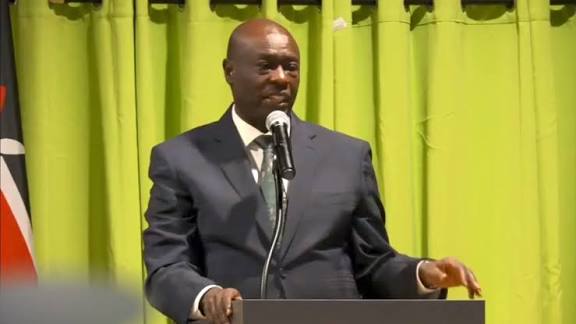
Speaking in Garissa County on Wednesday, February 11, 2026, Ruto defended his decision to personally preside over NYOTA disbursement forums in northern Kenya, saying his presence underscores the importance of youth empowerment in his administration’s agenda.
Ruto Defends NYOTA Programme
The Head of State made it clear that his attendance at the events was deliberate and driven by his commitment to creating opportunities for young people.
“I have come here myself. Not because I lack work. Not because of many other things. It is because of matters of young people,” Ruto said.
“The empowerment of young people through financial inclusion and job creation is of such importance to me. That is why I take time to do this.”
Ruto dismissed critics who questioned why he was personally overseeing NYOTA disbursement events instead of focusing on other state duties, suggesting that such remarks were misplaced and politically motivated.
Growing Rift Between Ruto and Gachagua
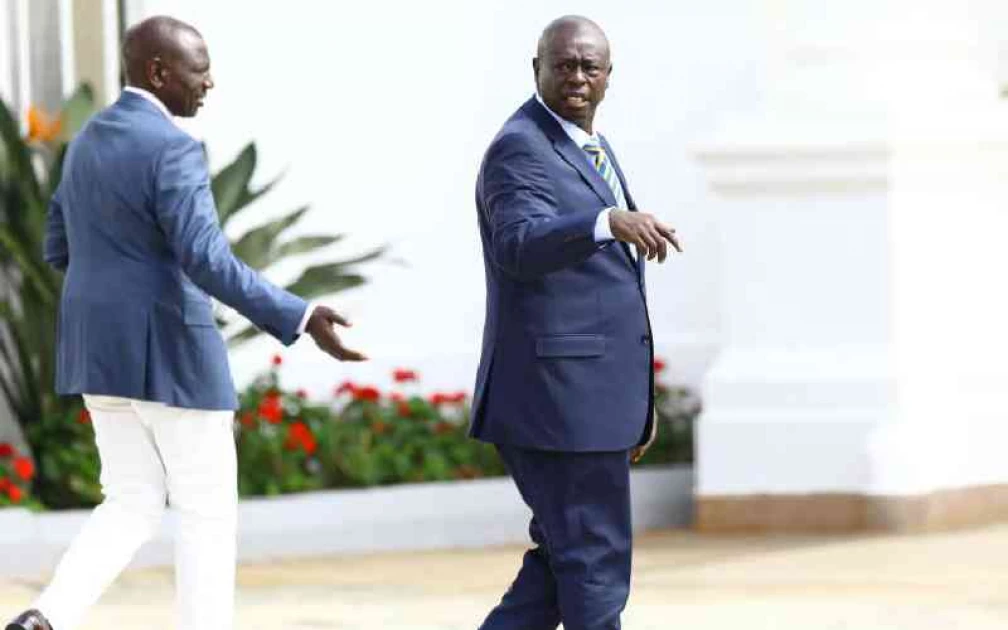
The remarks mark the latest chapter in the widening rift between Ruto and his former deputy. Gachagua had raised concerns over the NYOTA programme and the government’s handling of drought relief, prompting a direct response from the President.
Ruto maintained that youth empowerment initiatives like NYOTA are central to stabilising livelihoods, especially in vulnerable regions affected by recurring drought and unemployment.
The NYOTA programme, backed by international financing partners, aims to improve employment access, promote income generation, and encourage savings among vulnerable youth across Kenya. The government has positioned it as a flagship intervention targeting job creation and economic inclusion.
By personally attending the disbursement events, Ruto said he was sending a strong message about his administration’s priorities particularly empowering young people through structured financial support and sustainable economic programmes.
The public exchange between Ruto and Gachagua comes amid heightened political realignments as the country gears up for the 2027 General Election. Analysts note that disagreements over flagship government projects could shape broader political narratives in the coming months.
For now, Ruto appears determined to defend his development agenda, framing youth empowerment and financial inclusion as pillars of his leadership and dismissing critics who question his direct involvement in such initiatives.