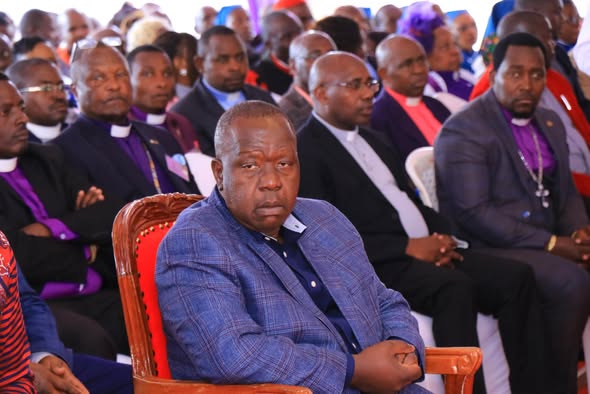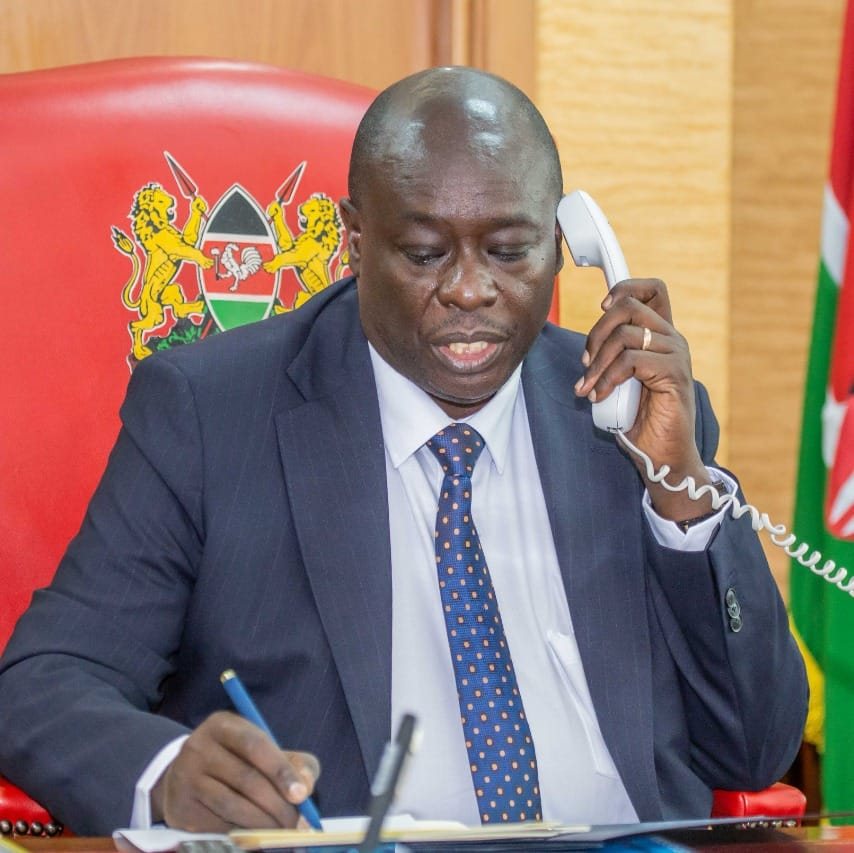
A coalition of opposition leaders led by former Deputy President Rigathi Gachagua and Wiper Party leader Kalonzo Musyoka has filed a high-stakes constitutional petition challenging the conduct of Kenya’s electoral process, signalling a potential shake-up ahead of the 2027 elections.
The petition, submitted to the High Court, seeks a comprehensive reform of how presidential votes are tallied, transmitted, and declared, citing concerns over transparency, credibility, and accountability in previous polls.
Key demands include a requirement for the Independent Electoral and Boundaries Commission (IEBC) to gazette all polling stations at least six months before an election, giving political parties, observers, and citizens ample time to verify the list. The petition also calls for results to be scrutinized at polling stations before they are transmitted for national aggregation, and for strict measures to eliminate discrepancies, prevent the creation of ghost polling stations, and strengthen overall confidence in the electoral system.
Analysts say the petition could trigger judicial scrutiny of IEBC’s procedures and potentially influence the design of the 2027 electoral framework. Experts highlight that if the court rules in favour of the opposition, the decision could mandate early publication of polling stations, enhanced verification processes, and stricter oversight of vote transmission, fundamentally altering how Kenyans participate in national elections.
The IEBC has yet to comment on the petition, but in past instances, the commission has maintained that its electoral technology and verification processes meet legal standards. Observers note that the court’s ruling could set a precedent for electoral reforms in Kenya, offering a blueprint for improving transparency, reducing disputes, and strengthening public trust in democratic processes.