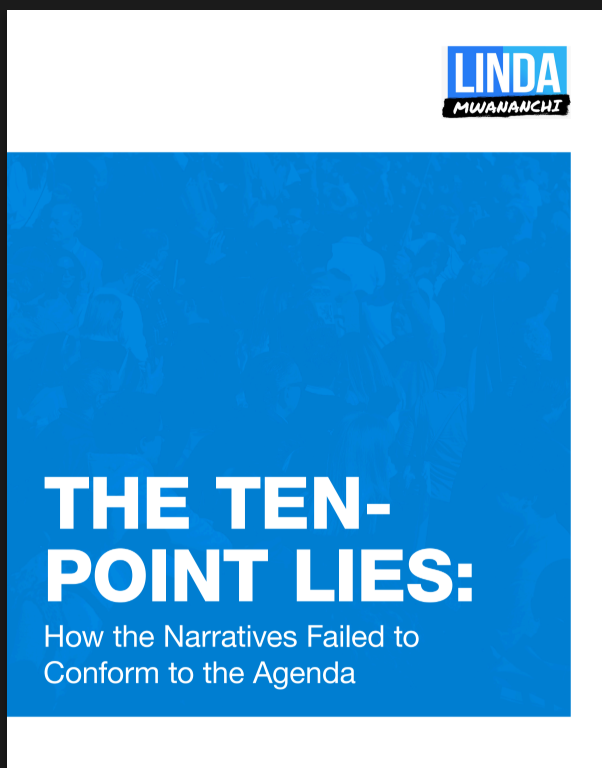
A report analyzing Kenya’s ten-point political agenda has raised concerns about the progress made since the agreement was signed in March 2025 between opposition leader Raila Odinga and President William Ruto. The memorandum of understanding was intended to promote national reconciliation and address long-standing political and economic challenges affecting the country.
The ten-point agenda focused on several key governance and development issues, including implementation of the NADCO report, strengthening devolution, protecting the right to peaceful assembly, promoting youth livelihoods, addressing the national debt, and improving integrity in leadership. The agreement was expected to guide reforms over a one-year period aimed at stabilizing the political environment and improving public trust in national institutions.
However, the report claims that little progress has been achieved across most of the agenda items. One of the major concerns highlighted is the lack of comprehensive electoral reforms, including unresolved issues surrounding the restructuring of the electoral commission and the absence of an independent audit of the 2022 presidential election. These issues, according to the analysis, continue to raise questions about transparency and public confidence in the electoral process.
The document also highlights economic and social challenges affecting young people in Kenya, particularly youth unemployment and the rising cost of living. It argues that the failure to address these concerns risks increasing frustration among young citizens and undermining broader national development goals.
Other areas reviewed in the report include corruption, government efficiency, and the protection of constitutional rights such as freedom of assembly. The analysis suggests that commitments to reduce public resource wastage and improve government accountability have not yet produced meaningful results.
The report concludes by urging continued national dialogue and accountability to ensure that commitments made in political agreements translate into tangible improvements in governance and citizens’ welfare.