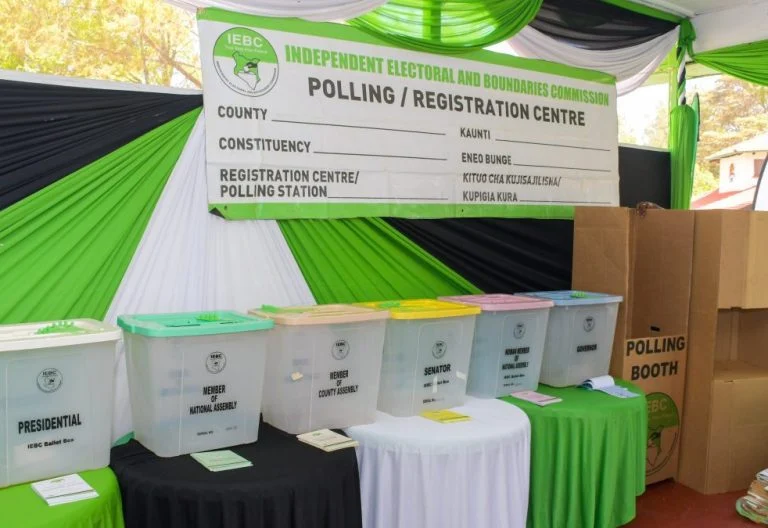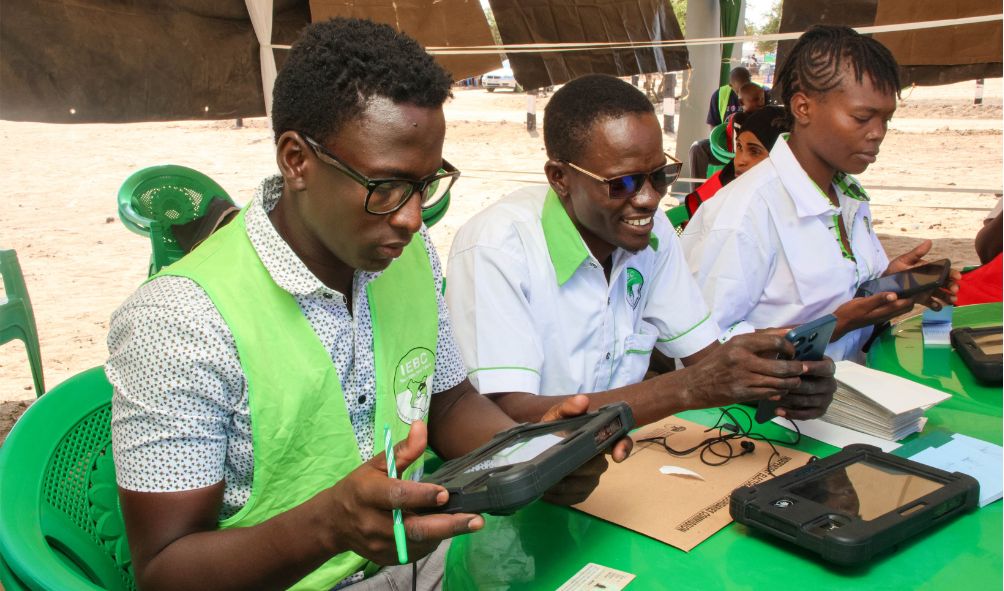
With the next general election on the horizon, voter registration patterns in Kenya are revealing a striking generational contrast. Millennials are stepping forward in significant numbers to secure their place on the electoral roll, while Gen Z, arguably the most influential demographic in terms of population, appears slower to follow.
Data trends indicate that millennials, largely in their late 20s to early 40s, are forming the backbone of newly registered voters. Their participation reflects a more consistent engagement with formal political processes, reinforcing their growing influence ahead of the 2027 polls.
In contrast, Gen Z, typically aged between 18 and 27, remains underrepresented. This is despite earlier figures from the 2022 election cycle showing that fewer than half of eligible young voters had registered, highlighting a persistent gap in youth electoral participation.
Several factors help explain this disconnect. A sense of political disillusionment runs deep among many young people, with some expressing doubt that elections translate into meaningful change. For others, engagement has shifted toward activism rather than traditional voting. From online campaigns to street protests, Gen Z has demonstrated political awareness but not always through the ballot box.
Additionally, early voter registration drives have recorded relatively low turnout among younger citizens, prompting concern among electoral stakeholders and policymakers.
However, signs of change are beginning to emerge. Youth-led initiatives and civic awareness campaigns are gradually gaining traction, encouraging more young people to register. In urban centres such as Nairobi, reports suggest a steady rise in turnout at registration centres, driven in part by digital mobilization and peer influence.
The electoral body is also intensifying efforts to bring millions of new voters, many of them young, into the system ahead of 2027, recognizing the decisive role this demographic could play.
Ultimately, while millennials currently lead in formal political participation, Gen Z remains a sleeping giant. If mobilized effectively, their numbers alone could redefine electoral outcomes and reshape the country’s political trajectory.