With just days to the April 28 deadline, the Independent Electoral and Boundaries Commission is locked in a high-stakes race to register millions of new voters, even as deep-rooted challenges—ranging from voter apathy to thousands of uncollected identity cards—threaten to lock out a significant portion of Kenya’s electorate.
At the center of the push is Western Kenya, where Kakamega County has emerged as both a bright spot and a warning signal.
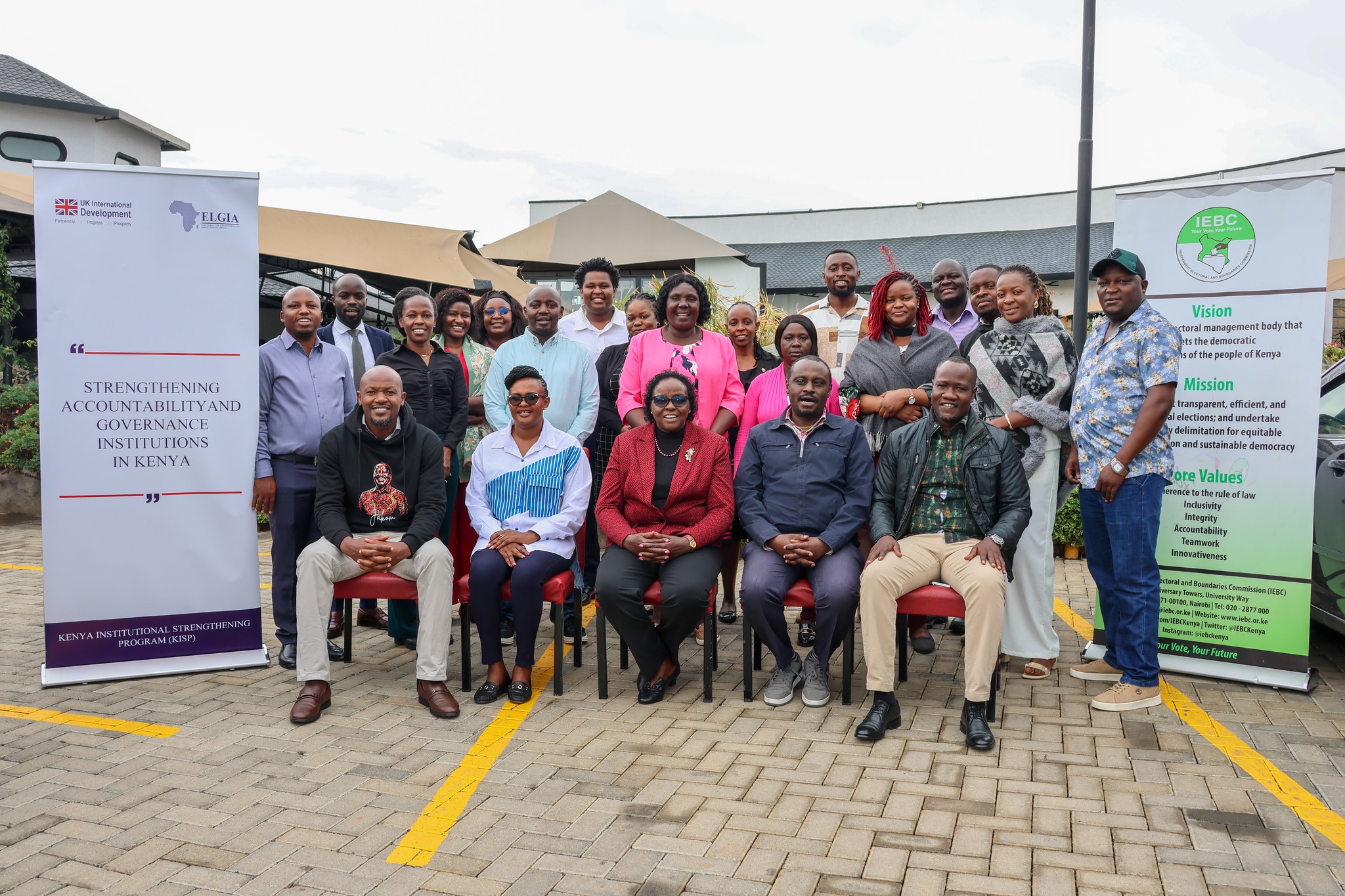
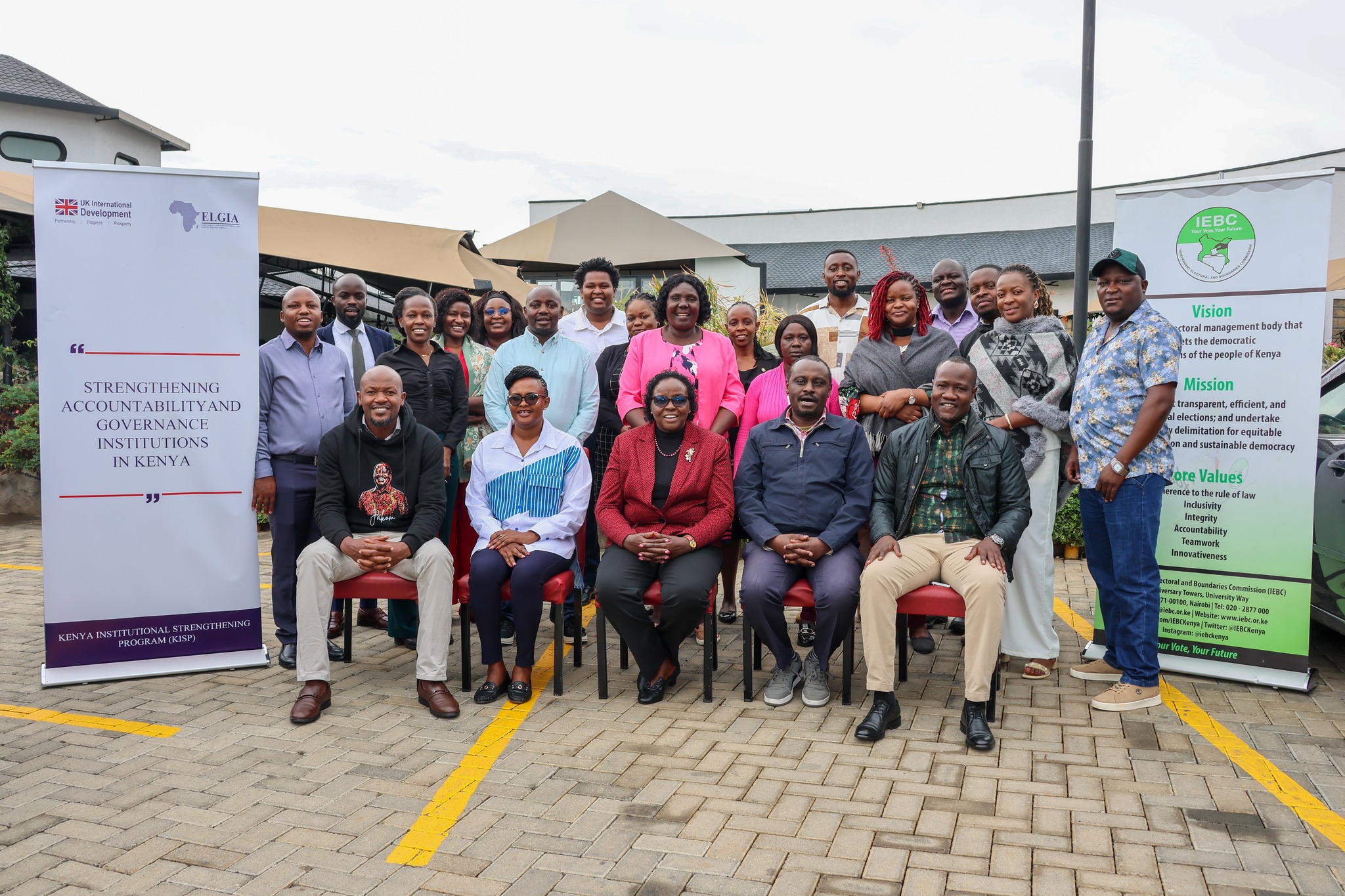
During a high-level stakeholder meeting in the county, IEBC Commissioner Alutalala Mukhwana struck an urgent tone, warning that failure to register now could translate into political exclusion for years.
“Anyone who does not participate leaves it to others to make a decision on his or her behalf,” Mukhwana said, urging residents to take advantage of the final days of ward-based registration before services revert to constituency offices.
The Commission’s urgency reflects the scale of the challenge. Kenya’s electoral body is targeting a surge in new voters ahead of the 2027 General Election, driven largely by a rapidly expanding youth population. Millions of young Kenyans have attained voting age since the last election in 2022, but many remain unregistered.
Yet even as Kakamega ranks among the top-performing counties in Western Kenya, cracks are already visible.
More than 5,000 national identity cards remain uncollected in the county alone—effectively barring thousands of eligible voters, particularly youth, from registering. Without an ID, registration is impossible.
County Commissioner Onesmus Kyatha acknowledged the gravity of the problem, pledging intensified coordination between administrators, chiefs, and national agencies to ensure the documents reach their owners.
“We must ensure no eligible voter is left behind,” Kyatha said, promising enhanced grassroots mobilization and tighter inter-agency collaboration.
The issue is not unique to Kakamega. Across the country, delays in ID processing and collection have repeatedly undermined voter registration drives, exposing a critical weak link between civil registration systems and electoral processes.
Local leaders say the consequences are already being felt.
Representing Governor Fernandes Barasa, County Executive Mophat Mandela said the county would scale up mobilization efforts, warning that failure to convert strong turnout into actual registrations would undermine its political voice.
“We are among the leading counties in registration, but we must do more to ensure we not only meet but surpass our targets,” he said.
Beyond documentation challenges, voter apathy remains a stubborn obstacle.
IEBC officials say that despite increased awareness campaigns, many eligible citizens—especially young people—are reluctant to register, citing disillusionment with politics, economic hardship, and a perception that elections do not translate into meaningful change.
Analysts warn that such disengagement could have far-reaching consequences.
“The risk is not just low turnout—it is systemic exclusion,” said a Nairobi-based governance expert. “If young people and marginalized groups are not registered, their interests are simply not represented in the political process.”
The Commission has responded by shifting registration services closer to communities through ward-level outreach, a strategy aimed at reducing logistical barriers and boosting accessibility. But this window is rapidly closing.
After April 28, registration services will revert to constituency offices, making it harder—especially for rural and low-income voters—to access them.
There are also concerns about inclusivity. Stakeholders at the Kakamega meeting raised alarms over the limited reach among persons with disabilities and other vulnerable groups, calling for more targeted interventions to ensure equitable access.
The current exercise is part of the Enhanced Continuous Voter Registration (ECVR) programme, a nationwide initiative designed to expand the voter roll between election cycles. It builds on lessons from previous exercises, including the 2022 General Election, where gaps in youth registration and uneven regional turnout sparked debate about the inclusiveness of Kenya’s electoral system.
At the same time, the stakes for 2027 are already rising.
With political alignments shifting and early campaigns taking shape, the size and composition of the voter register could play a decisive role in shaping the outcome. Regions that successfully mobilize and register new voters stand to gain significant political leverage.
For the IEBC, the challenge is not just technical—it is existential.
After years of scrutiny over electoral credibility, the Commission is under pressure to deliver a process that is not only free and fair but also inclusive and representative of Kenya’s evolving demographics.
Mukhwana acknowledged the scale of the task but insisted the Commission remains committed.
Through partnerships with county governments, security agencies, and grassroots structures, he said, the IEBC is working to build “a solid foundation for inclusive participation.”
Still, as the deadline looms, the question remains whether those efforts will be enough.
For thousands of unregistered Kenyans—particularly the youth—the clock is ticking. And for the country’s democracy, the cost of leaving them behind could be far greater than a missed deadline.