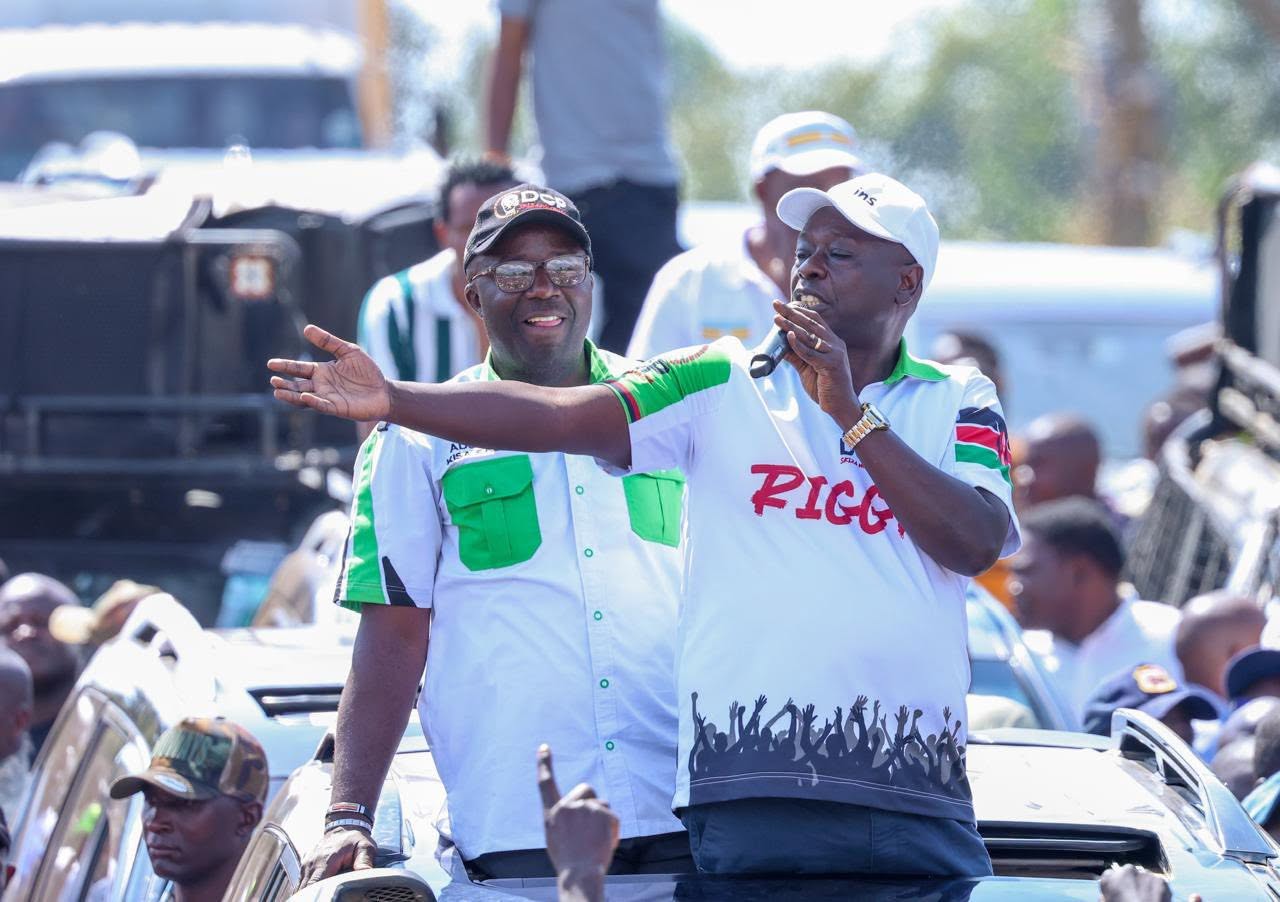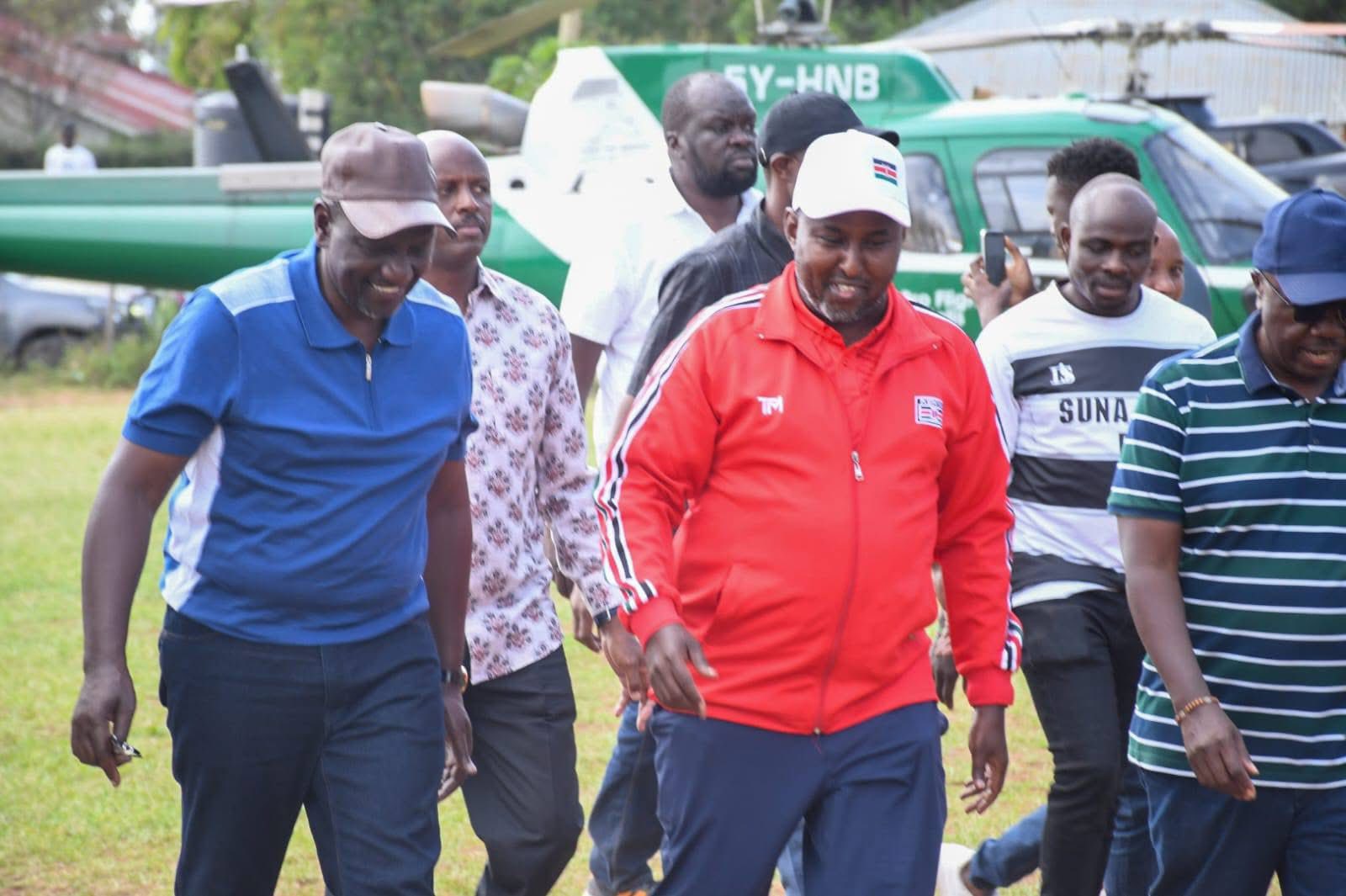
President William Ruto used his four-day tour of Kisii and Nyamira counties to mount a strong defence of his administration’s record, blending development messaging with political reassurance in a region closely watched for its shifting electoral dynamics.
At the centre of the tour was the groundbreaking for the upgrade of Suneka Airstrip in Bonchari Constituency, a project that includes runway extension and construction of a modern terminal building aimed at improving regional connectivity in the Gusii region.
Ruto framed the project as part of a broader national transformation agenda, insisting that his government is delivering “tangible results” across sectors including health, education, infrastructure, agriculture and housing.
“When we promised to transform our nation, we understood the magnitude of the task we had set for ourselves,” he said. “Genuine transformation is never achieved through modest goals. It demands a bold vision and decisive actions.”
But beyond the development rhetoric, the visit carried clear political undertones. Kisii and Nyamira remain key electoral counties in the broader Nyanza region, where political loyalty has historically been fluid and development commitments often double as instruments of influence-building.
The Suneka airstrip upgrade, in particular, is being viewed as a strategic infrastructure investment that could reshape local economic narratives ahead of the 2027 political cycle. Improved air connectivity is expected to boost trade, tourism potential, and agricultural value chains—especially tea and horticulture, which dominate the region’s economy.
For years, the facility has operated below capacity as a small airstrip, limiting its economic utility. The planned expansion signals a push by the national government to reposition regional towns as economic nodes through transport infrastructure, a key pillar of Ruto’s bottom-up economic model.
However, the timing and visibility of the project also underscore the increasingly blurred line between development tours and political mobilisation. Presidential visits in opposition-leaning or swing regions often serve a dual purpose: launching projects while reinforcing political presence and messaging.
Ruto’s remarks that his administration has rolled out programmes “making a positive impact in the lives of Kenyans” were aimed at reinforcing his broader narrative that the government is delivering despite criticism over the cost of living and taxation.
The President has faced sustained public scrutiny over rising household expenses, with critics arguing that new levies on fuel, housing and basic goods have strained ordinary Kenyans. His administration, however, maintains that the fiscal measures are necessary to fund long-term development projects such as roads, energy expansion, and infrastructure upgrades like Suneka.
Political observers say the Kisii tour reflects a familiar strategy in Kenyan politics where infrastructure projects are used not only as development tools but also as instruments of political consolidation.
“Kisii and Nyamira are not politically dormant regions,” said a Nairobi-based analyst. “Every major project announcement there carries both economic and electoral weight, especially as leaders begin positioning ahead of 2027.”
Ruto’s warm reception in the region, which he acknowledged in his closing remarks thanking “the people of Gusiiland,” further reinforced the political symbolism of the visit.
While government officials insist the projects are part of a long-term national transformation plan, the President’s messaging increasingly positions development delivery as proof of political legitimacy.
As the Suneka Airstrip project takes shape, it now stands not only as an infrastructure investment but also as a marker of how development and politics continue to intersect in Kenya’s evolving political landscape.