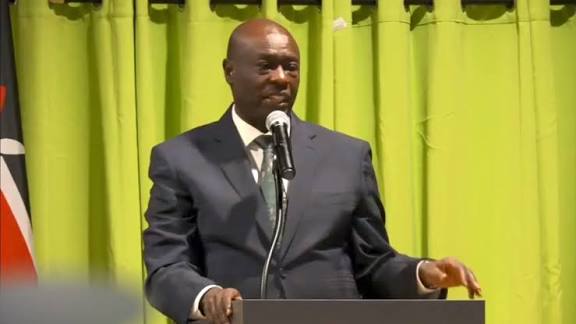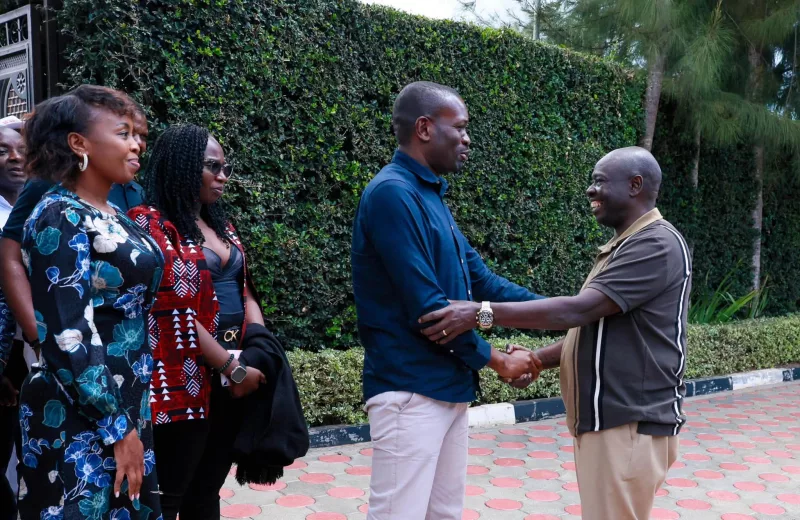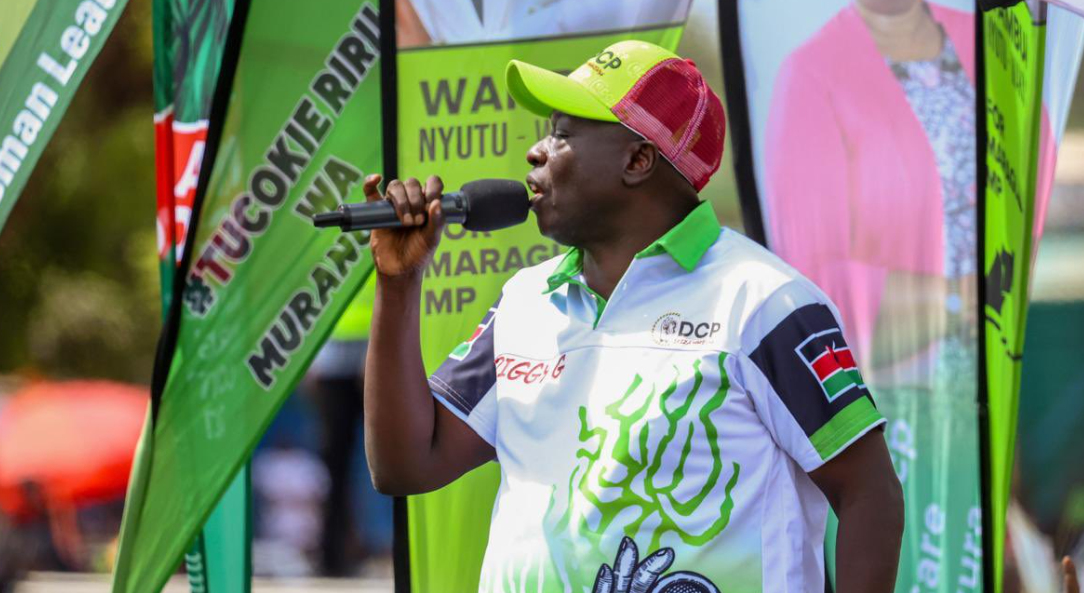
When William Ruto delivered his pointed message, it was not merely a critique of wardrobe choices; it was a statement about the dignity of leadership. In his view, attire is not trivial; it is symbolic. The way leaders present themselves reflects not only personal discipline but also the weight of the institutions they serve.
At State House, Nairobi, the epicentre of executive authority, appearance becomes part of the language of governance, communicating order, respect, and national pride.
Why It Matters
The President’s remarks come at a time when lines between formal and informal settings have increasingly blurred. Public officials, once bound by rigid codes of conduct, now navigate a more relaxed social climate, sometimes at the expense of tradition.
Ruto’s call seeks to restore a sense of ceremony and seriousness in state functions, reinforcing the idea that leadership is not only about decisions, but also about how those decisions and the people behind them are presented to the world.
Mixed Reactions Across the Country
As expected, the comment has stirred diverse reactions:
- Supporters argue that discipline in appearance reflects discipline in leadership
- Critics insist performance and service delivery matter more than dress codes
- Online audiences have transformed the phrase into memes, sparking humorous yet insightful conversations about fashion and power
What began as a simple remark has evolved into a broader cultural debate about modern leadership standards in Kenya.
Symbolism vs Substance
At its core, the debate raises a timeless question: Does how leaders look influence how they lead?
For Ruto, the answer leans toward yes. Presentation, in his view, is part of the institutional identity, a visible expression of respect for the nation and its people.