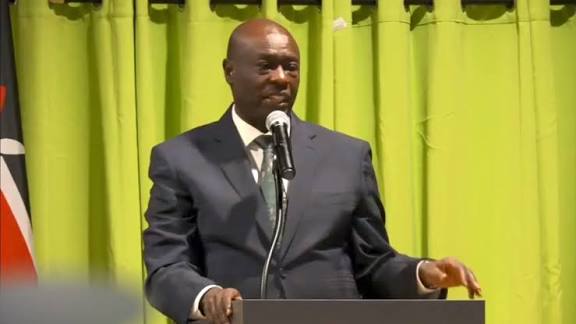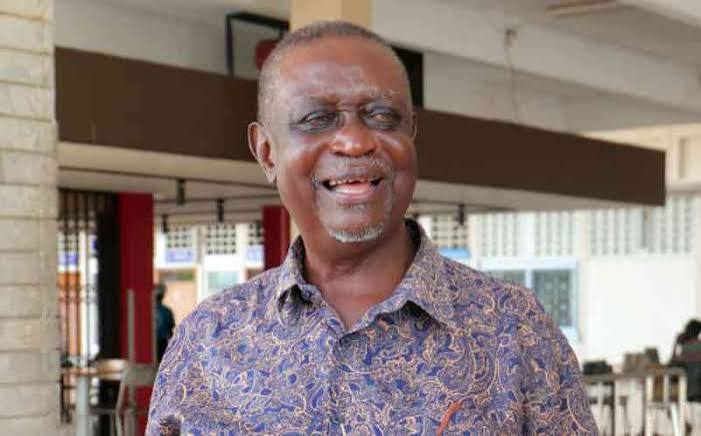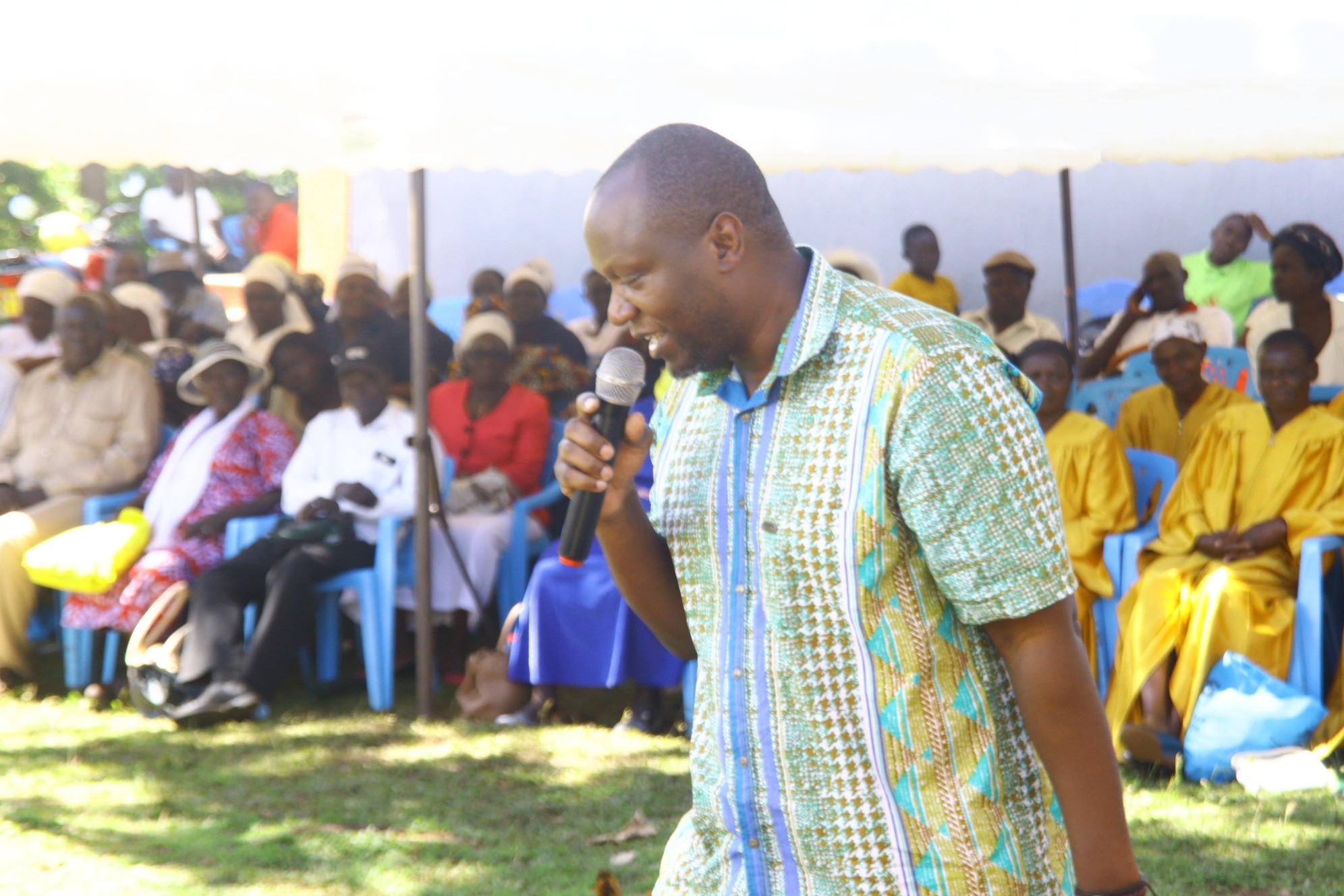
Lawyer and political activist Willis Evans Otieno has outlined a new policy framework under Safina Party, promising sweeping reforms in education, healthcare and access to credit, as political formations begin to sharpen their platforms ahead of the 2027 General Election.
In a statement, Otieno said the party’s first agenda seeks to guarantee what he described as long-denied rights to ordinary Kenyans, positioning the proposals as a response to deepening inequality and economic strain.
“Safina’s first Agenda explicitly guarantees what has long been denied: free, quality education as a fundamental right, not a privilege reserved for the rich,” he said.
He added that the plan also prioritises universal healthcare, arguing that access to medical services should not depend on income levels. “Comprehensive, accessible healthcare is a basic human right for every citizen, from birth to old age,” Otieno said.
The proposal further focuses on expanding access to affordable credit, particularly for small businesses and entrepreneurs, in a bid to stimulate grassroots economic growth.
“Affordable credit must be unlocked for every Kenyan entrepreneur to produce, innovate, and thrive, building genuine wealth from the ground up,” he said.
The proposals come at a time when the government led by President William Ruto has been pushing its own economic agenda, including reforms in healthcare financing and the expansion of credit through initiatives such as Hustler Fund, aimed at supporting small-scale traders.
Government officials have maintained that their policies are already addressing some of the concerns raised by opposition figures, pointing to ongoing investments in education and the rollout of universal health coverage programmes.
But Otieno argued that existing interventions remain inadequate and unevenly implemented, saying a more rights-based approach was needed to ensure equity and accountability.
On the ground, wananchi interviewed in Nairobi and its outskirts expressed mixed reactions to the proposals. Some welcomed the emphasis on basic services, saying the cost of education and healthcare continues to burden families.
“School fees and hospital bills are still too high. If someone can truly fix that, it will change lives,” said a parent in Kayole.
Others questioned how such programmes would be financed, reflecting broader public concerns about rising taxes and government spending.
“Policies are good, but we want to see how they will be implemented without adding more taxes,” said a boda boda rider in Embakasi.
Analysts say Safina’s messaging signals an attempt to reframe the political conversation around social rights and economic inclusion, even as parties compete to present solutions to the country’s economic challenges.
The FIST Agenda is expected to form a central pillar of Safina’s political positioning in the coming months, as leaders intensify engagements with voters across the country.