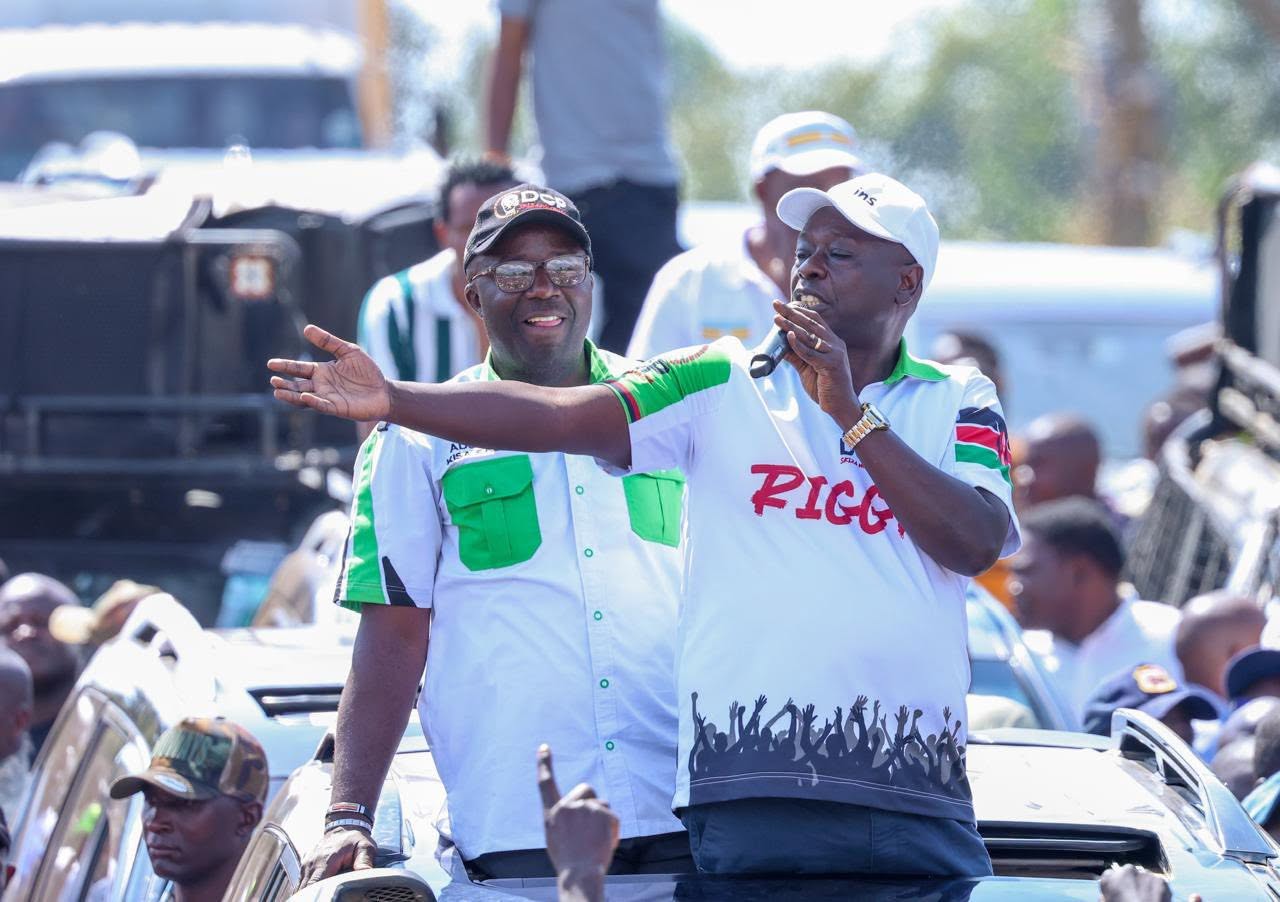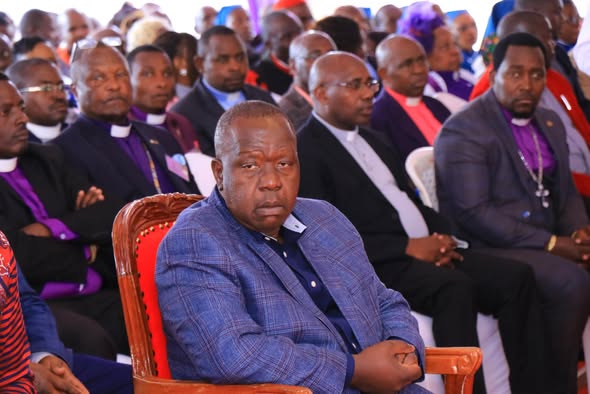
Nyamira Governor Amos Nyaribo is headed for a decisive battle in the Senate after Members of the County Assembly voted to escalate an impeachment motion against him. In a tense sitting on Tuesday, 18 MCAs present in the chamber marshalled 23 votes—surpassing the threshold required—to send the governor to the Senate for trial.
The motion accuses Nyaribo of financial misconduct, abuse of office, and failure to uphold principles of good governance. MCAs pushing the impeachment said they had reached a dead end with the county executive and viewed the Senate as the final institution capable of unlocking what they termed “a persistent pattern of impunity.”
“We have done our constitutional duty. The governor will now have to answer before the Senate,” an MCA who backed the motion said after the vote.
Governor Nyaribo has dismissed the allegations as politically engineered, insisting he will prove his innocence. “I have nothing to hide. I will present my defence at the Senate,” he said in a brief statement.
What Happens Next
Once the Senate receives the resolution from Nyamira, the Speaker will convene a special sitting. Senators will then decide whether to form an 11-member special committee to investigate the charges or to hear the matter in plenary.
If a committee is appointed, it will conduct hearings, summon witnesses, review documents, and submit a report within 10 days. If heard in plenary, all senators will directly engage in the proceedings.
After the hearings, the Senate will vote to either uphold or dismiss the impeachment charges. For removal to take effect, at least two-thirds of all senators must support the motion.
If the Senate upholds the impeachment, Nyaribo will be immediately removed from office, and his deputy will be sworn in as governor to complete the term.
If the Senate dismisses the charges, he will resume office fully, and the impeachment process will end.