Defending His Role in Crisis Management
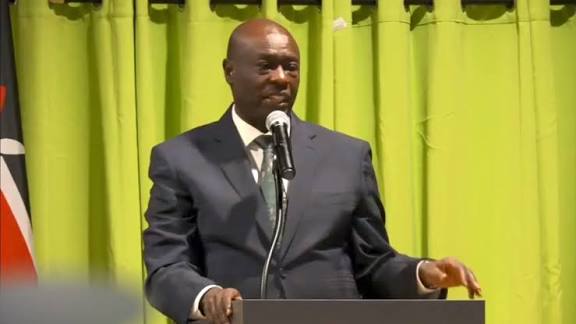
Deputy President Kithure Kindiki has pushed back against political criticism, suggesting he was missing in action during the fuel price and supply concerns that recently affected the country.
He said he was actively engaged within government structures, working closely with ministries and technical agencies to coordinate policy responses and stabilisation measures.
Inside Government Interventions
According to Kindiki, the state rolled out several key measures aimed at cushioning citizens and stabilising the energy sector, including:
- Reduction of VAT on fuel from 16% to 8%
- Injection of funds into a national fuel stabilisation programme
- Coordination with the Energy and Petroleum sector to manage pricing pressures
He argued that these interventions required intensive behind-the-scenes coordination rather than public-facing appearances.
Global Factors Behind Fuel Spike
The Deputy President also attributed the fuel price fluctuations to external pressures, including global supply chain disruptions and geopolitical tensions, saying domestic policy was not the primary driver of the crisis.
He maintained that government action focused on cushioning citizens while maintaining long-term economic stability in Kenya.
“Leadership Is Not Only Visibility”
Responding to criticism over his visibility, Kindiki said effective leadership during crises is not measured solely by public appearances, but also by policy execution and coordination across government.
He insisted that he remained fully engaged throughout the process, working behind the scenes to ensure stability in the energy sector.